
Dance Pole Installation
A dance pole that isn’t installed properly is one of those things that looks fine right up until it isn’t. Maybe it wobbles a little on a spin, or the mount starts creaking after a few weeks of regular use — small warning signs that usually mean the installation missed something important the first time around. If you’re setting one up at home or in a studio in Dubai, this covers what actually goes into doing it right, and why it’s not really a job for a generic handyman.
Why Pole Installation Isn’t as Simple as It Looks
A dance pole has to handle real dynamic force — body weight, spinning momentum, and repeated impact at the mounting points, all at once. That’s very different from hanging a shelf or mounting a TV bracket, where the load is static and predictable. A pole that’s under-secured might hold still when you first test it by hand, but start to shift once someone’s actually spinning on it at speed.
Ceiling height, floor type, and the material behind the wall or ceiling all affect how a pole should be mounted. A concrete ceiling gives you options a false ceiling with a hollow void simply doesn’t. Skipping that assessment is how installations end up unstable, even when the pole itself is high quality.
Permanent vs Removable Poles: Which One Actually Fits Your Space
Permanent poles are mounted directly into structural ceiling and floor points using fixed brackets, and they generally offer the most stability because there’s no reliance on tension or friction to hold them in place. They’re the better choice for a dedicated home studio or a commercial space where the pole stays put indefinitely.
Removable, or pressure-mounted, poles use tension between the floor and ceiling to stay secure. They’re a reasonable option for renters or anyone who needs the flexibility to take the pole down when it’s not in use, but they depend heavily on correct ceiling structure and precise measurement — get that wrong and the pole simply won’t hold tension the way it should.
The right choice really comes down to how permanent the setup needs to be, what the ceiling and floor can support, and whether the space will be shared for other uses when the pole isn’t needed.
What a Proper Installation Actually Involves
Before any drilling happens, a technician checks the ceiling structure to confirm there’s a solid mounting point — a joist, beam, or reinforced concrete section that can actually bear the load. Guessing at this step is how poles end up mounted into drywall or a false ceiling that can’t hold weight under real use.
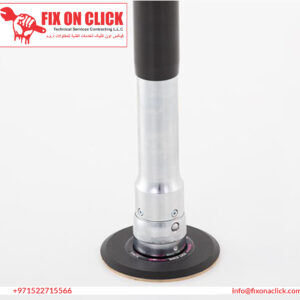
Floor type matters just as much. Hardwood, tile, and carpet all interact differently with a pole’s base plate, and the mounting approach has to account for that. Once the structural check is done, exact measurements are taken for ceiling height and floor positioning, because even a small misalignment can throw off how the pole sits and how safely it locks in place.
Materials and Hardware Actually Matter
Not all mounting hardware is built the same. Brackets, bolts, and base plates need to be rated for the kind of repeated stress a dance pole sees, not just static weight. Using undersized or mismatched hardware is a common shortcut that looks fine on installation day and becomes a problem months later when metal fatigue or loosening sets in.
Chrome, brass, and powder-coated poles also behave differently in terms of grip and finish wear, so the choice isn’t purely aesthetic — it affects how the pole performs during actual use, especially for anyone doing sweat-heavy sessions.
Home Studios vs Commercial Spaces
A home installation usually deals with residential ceiling structures, standard room heights, and the practical question of whether the space doubles as something else when the pole’s not in use. Commercial studios often have higher ceilings, reinforced mounting points already built in from prior fit-outs, and multiple poles that need to be spaced and aligned consistently across a room.
Commercial installs also tend to involve more poles installed at once, which means the spacing and alignment between them has to be consistent for both safety and how the room actually functions during a class. Getting that layout right from the start avoids awkward reconfiguration later.
Getting the Spacing Right in a Multi-Pole Studio
When a studio needs several poles in one room, spacing isn’t just about fitting people comfortably — it affects sightlines for instructors, safety margins during spins, and how the ceiling load is distributed across multiple mounting points. A rushed layout tends to create tight spots that limit certain moves or create safety concerns during group classes.
Safety Checks That Happen After Installation, Not Just Before
A pole shouldn’t be considered done the moment it’s mounted. After installation, a proper check involves testing under actual load — applying pressure and movement similar to what the pole will see in real use — rather than just confirming it doesn’t wobble when pushed by hand.
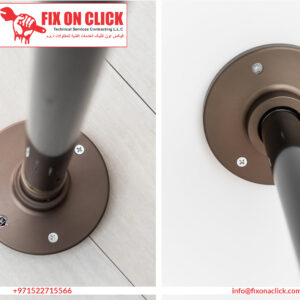
We also check torque on all mounting bolts, confirm the base plate sits flush without gaps, and verify that a removable pole holds its tension consistently rather than loosening slightly under initial use. Skipping this step is exactly how a pole passes a quick glance-test but fails once someone’s actually using it.
Signs an Existing Pole Needs Reinspection
- Any wobble or shift felt during a spin that wasn’t there when it was first installed.
- Creaking or clicking sounds from the mounting point during use.
- Visible gaps between the base plate and the ceiling or floor surface.
- A removable pole that feels looser than it did when first set up.
- Rust, corrosion, or visible wear on brackets and bolts.
Any of these is worth getting checked before continuing regular use, rather than assuming it’ll hold.
Maintenance That Keeps a Pole Performing Well Long-Term
Dance poles need more upkeep than people expect, mostly because grip and surface condition degrade with regular use. Chrome poles need periodic cleaning to remove oil buildup that affects grip. Brass poles develop a patina over time that some dancers prefer, but it changes the surface texture and needs to be factored into maintenance routines.
Mounting hardware should be checked periodically too — bolts can loosen slightly over months of use, especially in a busy studio where the pole sees daily sessions. A quick retightening check every few months prevents the kind of gradual loosening that eventually shows up as a wobble.
How Often Should a Pole Actually Be Reassessed?
For home use with occasional sessions, a check every six months is usually enough. For a commercial studio running multiple classes a day, a monthly or bi-monthly check on hardware tightness and base plate condition is a more realistic schedule, since the wear accumulates faster with higher usage volume.
60+ Service Vehicles Ready Across Dubai
Fix On Click handles more than just dance pole installation — we run home maintenance services across Dubai backed by a fleet of more than 60 fully equipped service vehicles. That scale means when you book an installation, inspection, or repair, there’s usually a technician already close to your area, rather than one being routed across the city.
Every vehicle in the fleet carries the tools and hardware needed for most installation and maintenance jobs, so appointments typically get completed in a single visit. Whether you’re in a home studio or a commercial fitness space, that kind of coverage means less waiting and faster turnaround when you need something installed, adjusted, or checked.
What Actually Goes Wrong With DIY Installations
The most common issue with a DIY setup is mounting into the wrong surface — drilling into drywall or a false ceiling that looks solid but isn’t actually load-bearing. The pole might hold for light use, then shift or fail once real spinning force is applied. Another frequent mistake is skipping the load test after installation, so a slightly under-torqued bolt goes unnoticed until it’s already a problem mid-session.
Removable poles are particularly easy to get wrong, since they rely entirely on precise tension between floor and ceiling. A measurement that’s off by even a small margin can mean the pole never achieves proper tension, no matter how tightly it’s cranked.
Why Professional Installation Is Worth It Even for a Single Home Pole
It might seem like overkill to bring in a professional for one pole in a spare room, but the risk profile doesn’t really change based on how many poles are being installed. A single pole that’s improperly mounted carries the same fall risk as one of many in a commercial studio — the difference is just scale, not safety.
Choosing the Right Installation Service
When picking who handles the installation, it’s worth checking whether they actually assess ceiling and floor structure before mounting anything, whether they use hardware rated for dynamic load rather than generic brackets, and whether they test the pole under real pressure after installation rather than just a quick wobble check. A service that skips straight to drilling without any structural assessment is a warning sign, not a time-saver.
Transparent pricing matters here too — a fair estimate should account for the type of pole, the ceiling and floor conditions, and whether reinforcement work is needed before mounting, rather than a flat number that doesn’t reflect your actual space.
What to Expect During a Fix On Click Installation Visit
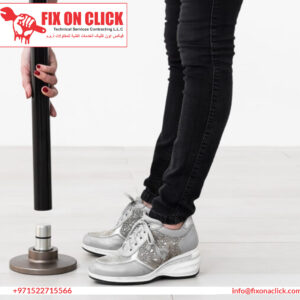
A technician arrives, inspects the ceiling and floor structure, and confirms the right mounting approach for your specific pole type and space. Measurements are taken, hardware is selected based on the load requirements, and the pole is mounted with attention to alignment and finish. Once installed, it’s tested under actual pressure, not just a hand-push check, before the technician walks you through basic care and what warning signs to watch for going forward.
Frequently Asked Questions
How do I know if my ceiling can actually support a dance pole?
A technician checks for a structural point like a joist, beam, or solid concrete section during the initial visit — this determines whether a permanent mount is possible or whether a removable pole is the safer option.
What’s the real difference between a permanent and a removable pole?
A permanent pole is bolted directly into structural mounting points and offers the most stability. A removable pole relies on tension between floor and ceiling, which works well but depends heavily on precise measurement and ceiling condition.
How often should an installed pole be checked for safety?
Roughly every six months for occasional home use, and monthly or bi-monthly for a commercial studio running frequent classes, since wear accumulates faster with higher use.
Can a pole be installed in a rented apartment?
Usually yes, with a removable pole that doesn’t require permanent drilling, though the ceiling and floor still need to be assessed to confirm it can hold proper tension.
What are the warning signs that a pole needs reinspection?
Wobbling during a spin that wasn’t there before, creaking sounds at the mounting point, visible gaps at the base plate, or a removable pole that feels looser than when it was first set up.
How do I book an installation?
You can call, email, or use our booking page, and we’ll confirm a visit time that works for you.
Get Your Pole Installed Properly the First Time
Whether it’s a single pole for a home studio or multiple poles for a commercial fitness space, Fix On Click handles the structural assessment, mounting, and safety testing so you’re not left guessing whether it’ll hold up under real use. Backed by a fleet of over 60 service vehicles across Dubai, we can usually get a technician to you fast. Reach out today to schedule an installation or get an existing pole checked before your next session.