
Ceramic Tiles Flooring Services in Dubai by Fix On Click
Ceramic tile flooring does not get talked about with the same excitement as marble or the same trendy buzz as vinyl plank, but ask any property manager, landlord, or practical homeowner in Dubai what flooring actually gets the job done year after year without drama, and ceramic tile comes up constantly. It is affordable, it handles Dubai's heat and humidity swings well, it comes in more design options than most people realize, and when it is installed properly, it genuinely lasts for decades.
At Fix On Click, ceramic tile flooring is one of the services we get called for the most, partly because so many apartments, villas, and commercial units across Dubai already have it and eventually need repairs or replacement, and partly because so many people are choosing it fresh for new spaces once they understand the actual value it offers compared to pricier alternatives. We have installed ceramic flooring in tiny studio apartments in Deira and across sprawling commercial spaces in Al Quoz, and the fundamentals of doing it right stay the same regardless of scale.
This page covers everything worth knowing about ceramic tile flooring in Dubai: why it remains such a smart choice, what separates a good installation from a bad one, common problems we fix, and how to keep your ceramic floors looking sharp for years after installation.
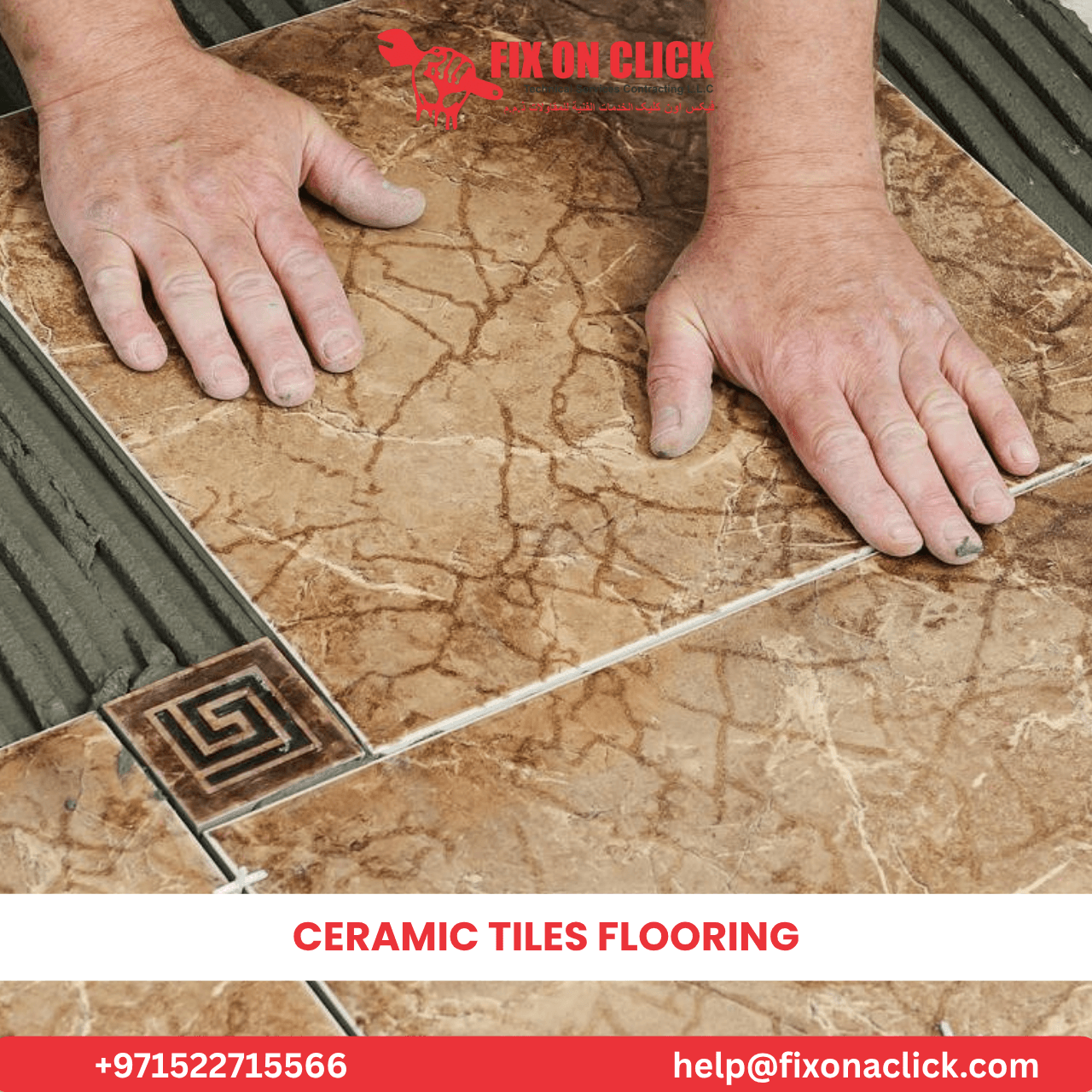
Why Ceramic Tile Flooring Still Makes Sense in Dubai
With so many flooring options flooding the Dubai market these days, from luxury vinyl to engineered wood to natural stone, it would be easy to assume ceramic tile is somehow outdated. That assumption would be wrong, and here is why property owners keep coming back to it.
It Handles Dubai's Climate Without Complaint
Dubai's combination of intense heat, occasional humidity spikes, and air conditioning running almost constantly creates conditions that some flooring materials genuinely struggle with. Wood-based flooring can warp or expand with moisture changes. Certain vinyl products can soften or discolor under prolonged heat exposure near sun-facing windows. Ceramic tile does not care about any of this. It stays dimensionally stable regardless of temperature and humidity fluctuations, which is exactly the kind of low-drama performance property owners actually want.
Genuinely Budget-Friendly Without Looking Cheap
Ceramic tile remains one of the most cost-effective flooring options per square foot, especially compared to natural stone or premium engineered wood. But modern ceramic tile technology has advanced enough that many designs convincingly mimic marble, concrete, wood, and natural stone finishes, meaning you get a premium look without the premium price tag.
Extremely Practical for Wet Areas
Bathrooms, kitchens, laundry rooms, and balconies in Dubai properties are almost universally floored in ceramic tile, and for good reason. It handles water exposure without any risk of warping, swelling, or mold growth the way some other materials can, and with the right finish, it provides good slip resistance even when wet.
Easy Maintenance
Ceramic tile does not require sealing the way natural stone does, does not stain easily, and can be cleaned with straightforward mopping and standard household cleaners without worrying about damaging the surface, which matters a lot for busy households and rental properties where low-maintenance flooring is genuinely valuable.
Wide Range of Design Options
Modern ceramic tile manufacturing allows for an enormous range of colors, patterns, textures, and sizes. From large format tiles that create a seamless, modern look with minimal grout lines, to intricate mosaic-style patterns for feature areas, ceramic tile design has genuinely expanded well beyond the plain white bathroom tiles people might picture.
Ceramic Tile vs Porcelain Tile: Understanding the Difference
A lot of clients use these terms interchangeably, but there are real differences worth understanding before deciding what to install in your Dubai property.
Ceramic tile is generally made from a mix of clays fired at lower temperatures, resulting in a slightly more porous, softer tile that is easier to cut and install, and typically more affordable. It works well for most residential applications, particularly walls and lower-traffic floor areas.
Porcelain tile, technically a denser subtype of ceramic tile, is fired at higher temperatures and pressed with more force during manufacturing, resulting in a harder, less porous, more durable product. Porcelain handles heavier foot traffic and is more resistant to moisture absorption, making it a better choice for high-traffic commercial areas, outdoor applications, and spaces with heavier water exposure like pool surrounds.
For most residential flooring projects in Dubai, we help clients weigh this decision based on the specific room, expected traffic, and budget, since both options have their place depending on the application.
Popular Ceramic Tile Styles for Dubai Homes and Businesses
Wood-Look Ceramic Tiles
These have become extremely popular for clients who love the warmth and appearance of hardwood flooring but want the practicality and moisture resistance of ceramic. The printing technology used today creates remarkably convincing wood grain patterns and textures.
Marble-Look Ceramic Tiles
For clients who want the elegant veined appearance of marble without the higher cost and maintenance requirements, marble-look ceramic tiles offer a compelling middle ground, particularly for large open-plan living areas.
Concrete-Look Ceramic Tiles
Popular in more modern, minimalist interior designs, these tiles mimic the industrial, understated look of polished concrete while offering better maintenance and consistency than actual concrete flooring.
Patterned and Encaustic-Style Tiles
Bold geometric or Moroccan-inspired patterns have become popular for feature areas like entryways, powder rooms, and kitchen backsplashes that extend down to the floor, adding a distinctive design element to otherwise neutral spaces.
Large Format Tiles
Tiles sized 60x60cm and larger have gained popularity because they create a more seamless, expansive look with fewer grout lines, which many clients feel gives rooms a cleaner, more modern appearance, particularly in open-plan living and dining areas.
Our Ceramic Tile Flooring Installation Process
Ceramic tile installation looks straightforward from the outside, but the difference between a floor that lasts twenty years without issue and one that starts developing hollow tiles and cracked grout within a year comes down entirely to how carefully these steps are followed.
Step 1: Site Assessment and Material Selection
We assess the space, discuss design preferences, and help select the right tile size, finish, and slip resistance rating for the specific room, since bathroom and outdoor requirements differ significantly from living room or bedroom applications.
Step 2: Sub-Floor Inspection and Preparation
The existing sub-floor is checked for levelness, moisture issues, and structural soundness. Any cracks, uneven areas, or old adhesive residue from previous flooring needs to be addressed before new tile can be properly installed.
Step 3: Layout Planning
Before any tile is permanently fixed, we plan the layout to ensure a balanced, symmetrical appearance, particularly around room edges and doorways, avoiding the amateur mistake of ending up with awkward thin slivers of tile along one wall because the layout was not planned from the center outward.
Step 4: Applying Adhesive
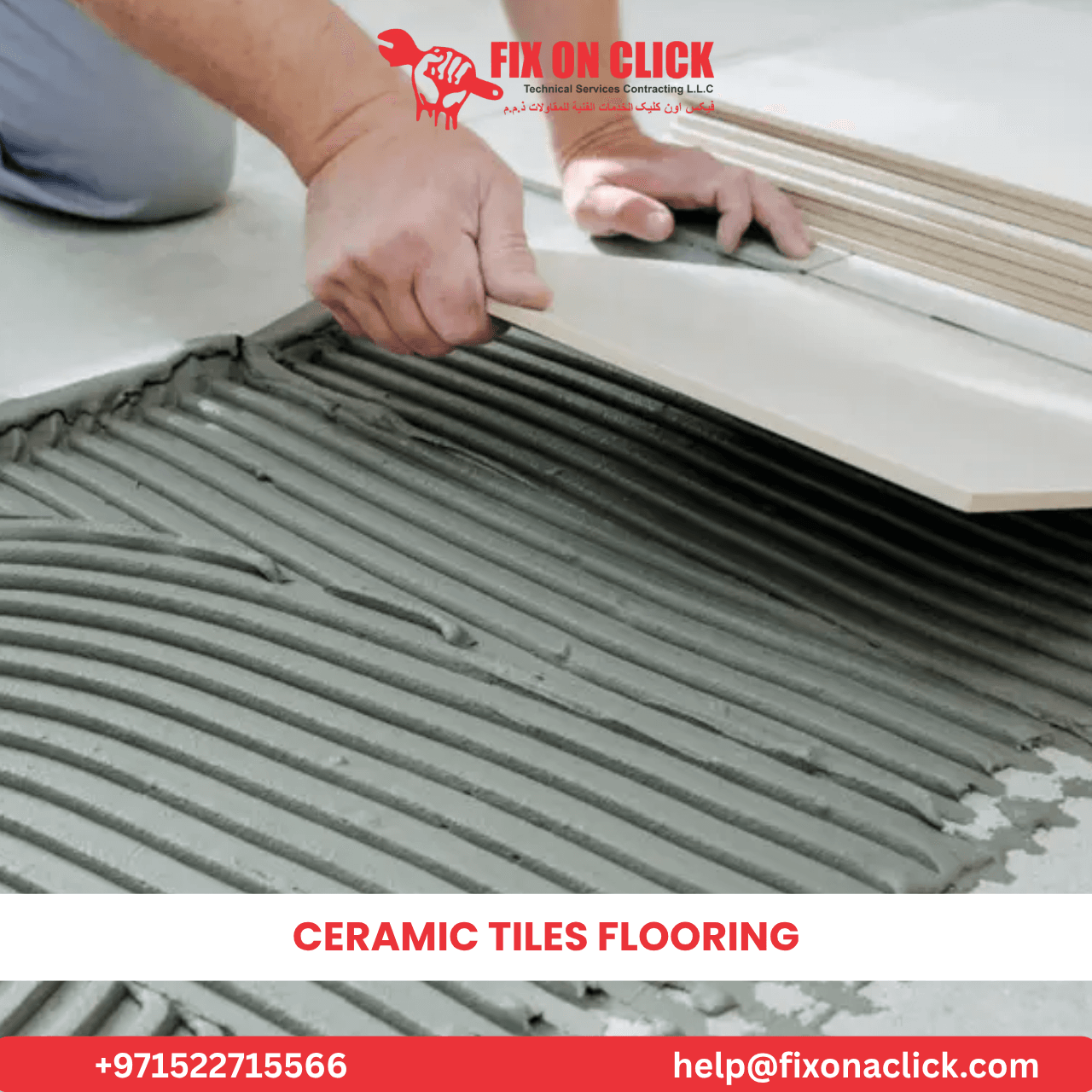
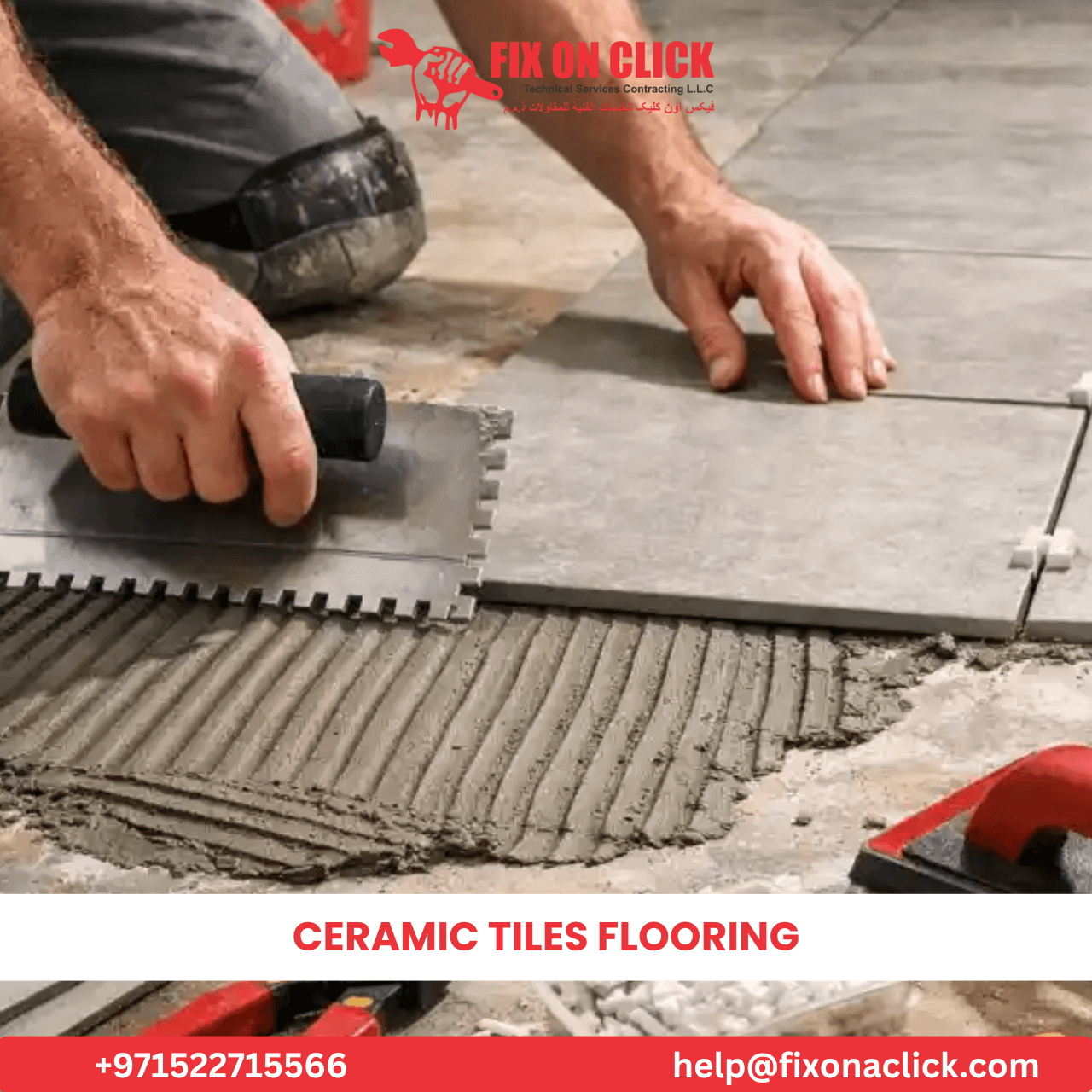
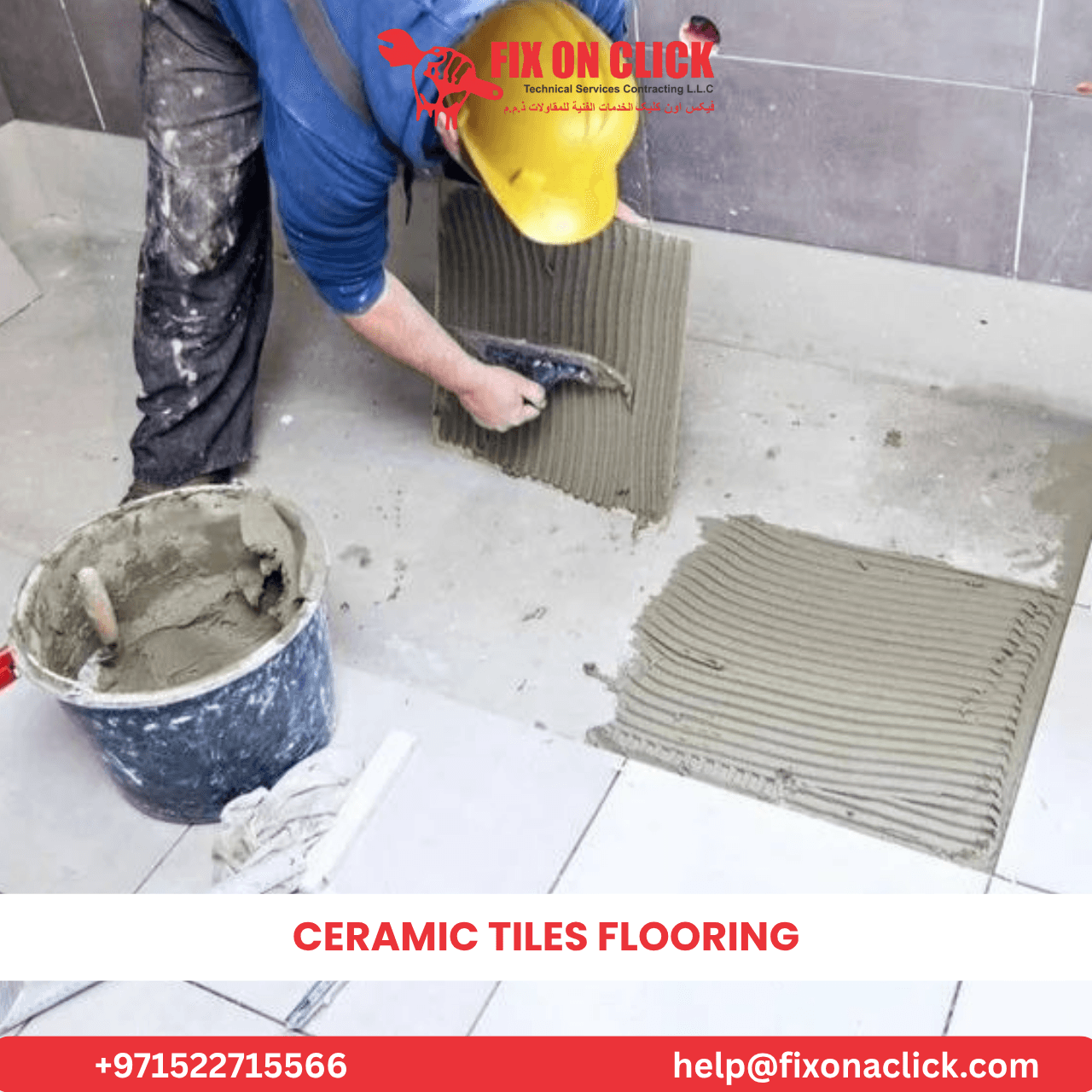
Tile adhesive appropriate for the specific tile type and sub-floor material is applied using a notched trowel to ensure even coverage and proper bonding strength across the entire tile surface, not just at the edges.
Step 5: Laying the Tiles
Tiles are laid according to the planned layout, with spacers used to maintain consistent, even grout line widths throughout the installation. Each tile is checked for level as it is placed, using a rubber mallet to gently seat tiles and eliminate any air pockets beneath them that could cause hollow spots later.
Step 6: Cutting Tiles for Edges and Fixtures
Tiles along walls, around doorways, and near fixtures like toilets or cabinets need precise cutting, which we do using wet saws and tile cutters designed to produce clean, chip-free edges.
Step 7: Curing Time
The installed tiles are left to cure and bond properly with the adhesive before grouting begins, typically requiring at least 24 hours depending on conditions and the adhesive used.
Step 8: Grouting
Grout is applied between tiles, pressed firmly into the joints, and excess is wiped away before it dries on the tile surface. Grout color selection makes a real difference to the final look, whether you want grout lines to blend seamlessly or provide contrast definition between tiles.
Step 9: Sealing Grout Lines
Once the grout has cured, we apply a grout sealer to protect against staining and moisture absorption, which significantly extends how long the grout stays looking clean, particularly in kitchens and bathrooms.
Step 10: Final Cleaning and Inspection
The entire floor is cleaned thoroughly to remove any grout haze or residue, and a final walkthrough inspection checks for consistency, level, and overall finish quality before the project is considered complete.
Common Ceramic Tile Flooring Problems We Fix
A substantial portion of our ceramic tile work involves repairing issues that stem from poor original installation or years of wear without proper maintenance.
Cracked Tiles
Cracking usually results from impact damage, structural movement beneath the floor, or tiles that were installed without sufficient adhesive coverage, leaving hollow spots that eventually crack under weight. We remove and replace damaged tiles individually, matching them as closely as possible to the surrounding floor.
Hollow-Sounding Tiles
If tapping on a tile produces a hollow sound compared to surrounding tiles, this indicates the adhesive did not bond properly, leaving an air gap underneath. These tiles are at risk of cracking under weight and should be addressed before they fail completely.
Discolored or Stained Grout
Grout is naturally porous and absorbs dirt and stains over time, especially in kitchens and bathrooms without proper sealing. We offer deep cleaning, regrouting, or grout color sealing services to restore a clean appearance.
Loose or Lifting Tiles
Tiles that have come loose from the sub-floor, often due to moisture issues or original adhesive failure, need to be removed, the sub-floor addressed if necessary, and the tiles relaid with proper adhesive.
Uneven Tile Levels (Lippage)
When adjacent tiles are not perfectly level with each other, it creates a noticeable ridge that can be uncomfortable underfoot and looks unfinished. We can address this through grinding or, in more severe cases, relaying the affected section.
Chipped Tile Edges
Chips along tile edges are common in high-traffic areas or from dropped objects. Small chips can sometimes be filled and color-matched, while larger damage typically requires full tile replacement.
Residential and Commercial Ceramic Tile Applications
Apartments and Villas
Ceramic tile remains a top choice for kitchens, bathrooms, balconies, and increasingly for entire living spaces in Dubai residential properties, valued for its practicality combined with the wide range of design options now available.
Rental and Investment Properties
Landlords and property managers particularly favor ceramic tile for rental units because of its durability and low maintenance requirements between tenants, reducing turnover costs compared to carpet or engineered wood flooring that shows wear more quickly.
Retail and Commercial Spaces
Ceramic and porcelain tile flooring is common in retail environments due to its ability to handle constant foot traffic while remaining easy to clean and maintain a professional appearance day after day.
Restaurants and Food Service Areas
Kitchen and dining areas in food service businesses require flooring that can handle spills, heavy cleaning chemicals, and constant foot traffic, all areas where ceramic and porcelain tile perform reliably.
50+ Service Vehicles Ready Across Dubai for Immediate Response
Flooring problems, whether it is a cracked tile creating a tripping hazard in a busy retail space, a bathroom floor that needs urgent repair before guests arrive, or a full installation project on a tight timeline, generally cannot wait around for a contractor's convenience. This is why Fix On Click maintains a fleet of more than 50 fully equipped service vehicles positioned strategically across every part of Dubai, ready to respond immediately whenever our clients need us.
Whether you are in Al Nahda, Jumeirah Village Circle, International City, Dubai Investment Park, or virtually anywhere else in the emirate, our teams are close enough to respond quickly, without the long waiting times that smaller flooring contractors often cannot avoid due to limited coverage areas. This distributed fleet setup means that for urgent tile repairs, we can often get a technician on site the same day to assess and, in many cases, begin addressing the issue immediately.
For larger ceramic tile installation or renovation projects, this same rapid response capability means faster initial assessments and quotes, so your project timeline does not get stuck waiting weeks just for someone to come measure the space. Each vehicle carries the essential tools and materials needed to handle common repair jobs on the spot, while our logistics team coordinates material delivery and crew scheduling efficiently for bigger installation projects across the city.
Cost Factors for Ceramic Tile Flooring in Dubai
Ceramic tile flooring costs can vary considerably, and we always recommend a proper site assessment for an accurate quote rather than relying on generic online estimates that do not account for your specific space and requirements.
Tile quality and brand
Basic ceramic tiles cost significantly less than premium imported options or specialty designs.
Tile size and format
Larger format tiles sometimes require more skilled labor and careful handling, which can affect installation costs.
Sub-floor condition
Floors requiring significant leveling, crack repair, or removal of old flooring will add to overall project costs.
Layout complexity
Intricate patterns, diagonal layouts, or spaces with lots of corners and cuts require more labor time than simple straight-line installations.
Total area
Larger projects typically achieve better cost efficiency per square meter than small, isolated areas.
Grout and sealing options
Premium grout products and sealing services add a modest amount to overall costs but significantly improve long-term appearance and durability.
We provide free, transparent quotes after assessing your specific project, ensuring you understand exactly what you are paying for before any work begins.
Maintaining Your Ceramic Tile Flooring
Regular Sweeping and Mopping
Sweep or vacuum regularly to remove dust and grit that can scratch the tile surface over time, and mop with a pH-neutral cleaner suited for tile flooring rather than harsh chemical cleaners that can dull the surface finish.
Clean Spills Promptly
While ceramic tile itself resists staining well, grout is more porous and can absorb spills if left too long, particularly from colored liquids like coffee, wine, or turmeric-heavy cooking spills common in many Dubai households.
Use Doormats at Entrances
Placing mats at entry points reduces the amount of sand, dust, and grit tracked onto your tile floors, which is particularly relevant in Dubai given the amount of fine sand in the outdoor environment.
Reseal Grout Periodically
Grout sealing typically needs reapplication every one to two years depending on foot traffic and cleaning frequency, helping maintain resistance to staining and moisture absorption.
Address Cracks and Chips Quickly
Small chips or cracks should be addressed promptly rather than left to worsen, since moisture can penetrate through damaged tile surfaces and cause further issues beneath the floor over time.
Why Choose Fix On Click for Ceramic Tile Flooring
Skilled, Experienced Installers
Our team understands the technical details that separate a long-lasting installation from one that develops problems within months.
Wide Material Selection
We help you choose from a broad range of ceramic and porcelain tile options suited to your specific space and budget.
Repair and Restoration Expertise
Beyond new installations, we regularly fix problems left behind by previous contractors, restoring floors to proper condition.
Rapid Response Across Dubai
Our fleet of 50 plus service vehicles ensures we can reach clients quickly no matter where they are located in the city.
Transparent, Fair Pricing
Clear quotes with no hidden costs, so you always know what to expect financially before work begins.
Attention to Detail
From layout planning to grout line consistency, we focus on the small details that determine how professional and polished your finished floor looks.
Get Your Ceramic Tile Flooring Project Started Today
Whether you need a fresh ceramic tile installation, repairs to an existing floor showing signs of wear, or a full renovation across your property, Fix On Click delivers reliable craftsmanship backed by fast response times across every part of Dubai.
Call us today at +971 52 271 5566 to schedule a free site assessment, or visit fixonaclick.com to learn more about our complete range of flooring and maintenance services.