
Metal Door Painting Dubai
A metal door that’s started peeling, fading, or showing the first rust spots doesn’t actually need replacing nearly as often as people assume. Most of the time, what it needs is a proper repaint done right, not a quick coat slapped on top of whatever’s already failing underneath. Fix On Click handles metal door painting across Dubai regularly, and the difference between a door that holds up for years and one that starts flaking again within months almost always comes down to what happens before any paint actually touches the surface.
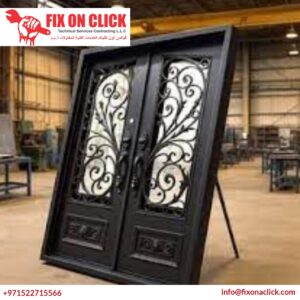
Why Paint on Metal Is Doing More Than Just Looking Nice
It’s easy to think of paint as purely cosmetic, but on a metal surface it’s genuinely functioning as a protective barrier against moisture and environmental stress. Once that barrier starts failing — small rust spots appearing, uneven fading, a chalky residue on the surface, paint that’s beginning to separate — the metal underneath is exposed and starts deteriorating faster than it would with an intact coating. These early signs aren’t just cosmetic annoyances; they’re a clear signal that whatever protection the door had is breaking down.
What Happens Once Rust Actually Sets In
Once rust gets a foothold, a door ages considerably faster than it would otherwise. Moisture works its way between layers of old paint, causing further separation and gradually weakening the structure underneath. Doors in this state often start feeling heavier or rougher to operate, and what should be a straightforward entry point turns into an ongoing maintenance headache. A proper repaint interrupts this decline, resetting the surface and giving the door a clean, sealed finish that actually holds up rather than just looking temporarily better.
Why Metal Needs a Completely Different Approach Than Wood
Wood absorbs paint into its surface fibers, which is part of why a wood repaint can be more forgiving of minor prep shortcuts. Metal doesn’t work that way at all — it needs adhesion created specifically through cleaning, leveling, and proper primer application, and skipping or rushing any of these steps means the finished paint job breaks down considerably sooner than it should. This is the core reason a rushed metal door repaint often looks fine for a few weeks before starting to bubble or peel.
Starting With a Proper Inspection
Before any preparation begins, we assess the door’s actual condition — checking for rust, identifying weak spots in the existing coating, and figuring out how much prep work the specific door actually needs. This isn’t just a formality; a door with minor surface wear needs a different approach than one with rust that’s already worked into the seams, and getting this assessment right upfront shapes the entire rest of the project.
What Proper Preparation Actually Involves
Old paint gets stripped wherever it’s failing, the surface gets sanded with real precision rather than a quick pass, and the metal gets thoroughly cleaned to remove dust, oil, and any other contaminants that would interfere with proper adhesion. Each of these steps builds toward the next one working correctly — metal that’s been properly cleaned and leveled takes primer far more effectively, and a primer that bonds correctly gives the final coat the strength it actually needs to handle heat, moisture, and daily wear without breaking down prematurely.
Why This Sequence Can’t Be Shortened
It’s tempting to see surface prep as the boring part of a repaint, the thing standing between you and the actual color going on. But this is genuinely where the durability of the entire job gets decided. Skipping a sanding pass, rushing the cleaning, or applying primer to a surface that wasn’t properly prepared all show up later as premature peeling or bubbling, usually at exactly the spots where prep was cut short.
Applying Paint That’s Actually Built for Metal
Once the surface is genuinely ready, we apply industrial-grade primers and paints specifically formulated for metal surfaces, chosen for their ability to handle friction, weather exposure, and daily impact without cracking or peeling prematurely. The application itself matters just as much as the product — smooth, controlled coverage without streaks, clumps, or uneven patches is what separates a professionally finished door from one that technically got painted but doesn’t look it.
Our 60+ Vehicle Fleet Supports Home Maintenance Across Dubai
Beyond painting specifically, Fix On Click maintains a fleet of over 60 fully equipped service vehicles for home maintenance services, positioned across different parts of Dubai rather than dispatched from a single depot. This matters for clients coordinating a door repaint alongside other maintenance needs — a hinge that needs adjusting, a lock mechanism that’s sticking, or any other small fix that makes sense to handle around the same time as a repaint. Having that kind of citywide coverage means quick response whenever something else comes up, without needing to source a separate provider for every different type of home repair.
Why a Painted Door Changes How a Property Feels
A door is one of the first things anyone notices approaching a property, and a metal door that’s clean, vibrant, and clearly well maintained communicates something about the whole space before a visitor’s even stepped inside. For businesses specifically, this matters more than owners often realize — customers form an impression of a company before walking through the door, and a neglected, rusting entrance sends a message that undercuts whatever’s happening inside.
Functional Benefits Beyond Just Appearance
A properly painted metal door doesn’t just look better, it functions better too. It tends to move more smoothly, close more securely, and manage temperature more effectively, since a good paint coating acts as a thermal barrier that reduces heat absorption in direct sun. This matters in Dubai’s climate more than in milder conditions, where an unpainted or poorly maintained metal door can genuinely become uncomfortably hot to the touch during peak summer months.
Rust Treatment Isn’t Optional, It’s the Whole Point
Rust is the single biggest threat to a metal door’s longevity, and dealing with it properly means more than just scraping off visible flakes. If rust isn’t fully neutralized, it continues spreading underneath a fresh coat of paint, slowly breaking that new finish apart from beneath even though everything looks fine on the surface initially. We identify every rusted area during inspection, including smaller or hidden spots along seams and edges that are easy to miss on a casual look, and treat these with rust converters or remove the affected material entirely depending on how advanced the oxidation actually is.
Why This Step Takes Longer Than People Expect
Proper rust treatment is detailed, careful work, and it’s genuinely the difference between a repaint that holds for years and one that fails within months regardless of how good the topcoat looks initially. Once rust is neutralized properly, the metal regains structural strength, primer bonds securely, and the new paint forms a coating that actually lasts. Skipping or rushing this step means even the most expensive paint available will fail prematurely, since it’s being applied over a surface that’s still actively deteriorating underneath.
Choosing the Right Paint Type Actually Matters
Not every paint handles metal’s specific demands well — expansion and contraction with temperature swings, direct sun exposure, physical contact from daily use. Using paint that isn’t formulated for these conditions tends to result in cracking, bubbling, or rapid fading, sometimes within the first year. We use coatings specifically designed for metal surfaces, chosen for color retention, UV resistance, and a finish that stays easier to clean and less prone to collecting grime over time.
Finish Options and What Each One Actually Offers
Glossy finishes give a sleek, modern look and reflect light well, which suits properties going for a vibrant, polished entrance. Semi-gloss offers a slightly softer appearance while still holding up to regular wear just as durably. Matte finishes give a more contemporary, understated look and do a better job of hiding minor surface imperfections that a glossier finish would highlight. We help clients pick based on the property’s overall style, how much maintenance they want to deal with long-term, and how the door’s used day to day.
Why DIY Metal Door Painting Usually Backfires
It’s a reasonable instinct to try saving money by painting a metal door yourself, but metal surfaces are genuinely unforgiving of shortcuts. A missed rust spot, insufficient sanding, or the wrong primer choice all tend to show up as failure within weeks — bubbling, peeling, or an uneven texture that means starting the whole process over, which ends up costing more in time and materials than hiring a professional from the outset would have.
Where the Real Savings Actually Come From
A properly done repaint holds up considerably longer, resists weather damage more effectively, and genuinely protects the metal underneath rather than just masking existing problems temporarily. That translates into fewer touch-ups, fewer follow-up repairs, and a much lower chance of the door needing full replacement due to rust damage that a proper coating would have prevented. The comparison that actually matters isn’t professional painting versus a can of metal paint from the hardware store — it’s professional painting versus the cost of redoing a failed DIY attempt, which happens more often than people expect once they’re actually dealing with genuine rust and an aging surface.
Consistency Across Every Project, Regardless of Scale
Whether it’s a simple residential side door or a large commercial entrance, the same inspection, preparation, coating, and finishing standards apply. This consistency matters because a client shouldn’t get a lower standard of prep work just because the project’s smaller in scope — the fundamentals of proper metal door painting don’t change based on the size of the door.
Clear Communication Throughout the Project
We explain what a specific door actually needs, how long the work will realistically take, and what the final result should look like before starting anything. There’s no vague promise or guesswork involved — every step is explained clearly, which is part of why clients tend to come back for other services once they’ve seen how a metal door project actually gets handled.
Maintaining a Freshly Painted Door
Once a door’s properly restored, keeping it looking sharp doesn’t require anything complicated. Mild soap, water, and a soft cloth are generally enough to maintain a properly applied coating, since the new finish itself slows down dirt accumulation and resists oxidation considerably better than a failing older coat would have. We walk clients through basic care — keeping hinges lubricated, clearing away debris regularly, cleaning the surface periodically — since a door that’s cared for properly holds its color, texture, and protective strength for considerably longer than one that’s simply left alone after painting.
Why Dubai’s Climate Makes Maintenance Slightly Different
Intense sun exposure and periodic sandstorms both put extra strain on an exterior metal door compared to milder climates. Regular cleaning to remove accumulated dust and grit prevents that debris from gradually wearing down the finish through repeated contact, and checking for early signs of wear after a particularly harsh summer season catches any developing issue before it becomes a bigger repair.
Commercial Metal Doors Bring Their Own Considerations
A commercial entrance sees considerably more daily traffic and handling than a typical residential door, which affects both how quickly wear shows up and how the repaint should be approached. High-traffic commercial doors benefit from finishes chosen specifically for durability against frequent contact, and we factor in expected usage volume when recommending a specific paint type and finish for a business entrance versus a quieter residential side door.
Scheduling Around Business Operations
For commercial properties, we coordinate the repaint timing to minimize disruption to daily operations, working around business hours or slower periods wherever a client’s schedule allows for it. A main entrance being repainted still needs to remain functional and presentable during business hours in most cases, and we plan the work sequence with that in mind rather than treating every job identically regardless of the property type.
What a Realistic Timeline Actually Looks Like
A single residential door repaint, including proper rust treatment and multiple coats, typically takes a day or two depending on the extent of existing damage and drying time required between coats. Doors with more advanced rust or damage take longer, since the additional prep work genuinely can’t be rushed without compromising the final result. We give a realistic timeline upfront based on the actual condition of your specific door, rather than a generic estimate that doesn’t account for how much rust treatment or repair the surface actually needs.
Why Drying Time Between Coats Actually Matters
Rushing the interval between primer and topcoat, or between multiple topcoats, compromises adhesion and durability even if the paint used is high quality. Dubai’s heat can actually accelerate surface drying in a way that’s misleading — a coat can feel dry to the touch while still curing underneath, and applying the next layer too soon traps that uncured layer beneath, leading to problems that surface weeks or months later. We follow proper curing times regardless of how tempting it is to speed through the process on a hot day.
What Makes a Repaint Genuinely Worth the Investment
Beyond the immediate visual improvement, a properly executed metal door repaint extends the actual functional life of the door by years, protecting the underlying structure from the kind of rust damage that eventually necessitates full replacement. Comparing the cost of quality painting against the cost of an eventual door replacement makes the value fairly clear, especially for doors that are otherwise structurally sound and simply need their protective coating properly restored.
Assessing Whether a Door Is Worth Repainting at All
Occasionally, a door’s condition has genuinely progressed beyond what a repaint can reasonably address — extensive structural rust that’s compromised the metal itself, warping, or damage beyond surface-level deterioration. We’re upfront about this during the initial inspection rather than taking on a repaint that won’t actually hold up, since recommending replacement in these cases saves a client from paying for work that wouldn’t deliver a lasting result anyway.
Different Door Types Need Slightly Different Handling
A hollow-core metal door and a solid steel security door don’t behave identically under paint, even though both are broadly “metal doors.” Hollow-core doors tend to dent more easily and can develop surface irregularities that need addressing before painting proceeds, while solid steel doors hold up better structurally but sometimes carry more weight, which affects how they’re handled during the stripping and sanding process. Garage doors, gate panels, and security grilles each bring their own quirks too — larger surface areas, more exposed hardware, and often more direct sun exposure throughout the day than a recessed entry door might get. We adjust our approach based on the specific type of metal door involved rather than treating every project as identical.
Doors With Decorative or Textured Panels
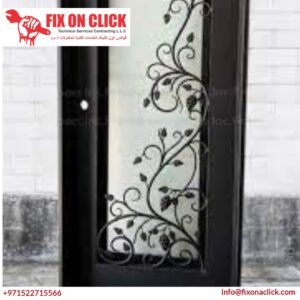
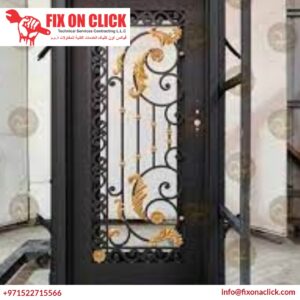
Some metal doors, particularly older or more ornate ones, have raised panels, decorative moldings, or textured surfaces that complicate both the stripping and repainting process. These details need careful attention during sanding and priming to avoid losing definition in the design, and application technique shifts slightly to ensure paint reaches into recessed areas evenly rather than pooling or leaving thin spots in harder-to-reach sections. Getting this right takes more time than a flat, simple door surface, but it’s what preserves the character of a more decorative door rather than flattening its detail under a careless repaint.
Coastal and High-Humidity Considerations
Properties closer to the coast or in areas with consistently higher humidity face accelerated corrosion risk compared to more inland locations. Salt-laden air speeds up the oxidation process on exposed metal considerably, which means doors in these locations often need more frequent inspection and, in some cases, a more robust coating system from the outset to hold up against the specific environmental stress they’re facing. We factor in a property’s specific location and exposure when recommending paint type and expected maintenance intervals, rather than applying a single generic recommendation regardless of where the door actually sits.
Industrial and Warehouse Metal Doors
Large industrial doors and warehouse entrances see a different kind of wear entirely — frequent mechanical opening and closing, exposure to loading equipment, and sometimes chemical or dust exposure depending on what’s stored or handled nearby. These doors benefit from industrial-grade coatings specifically chosen for abrasion resistance rather than the same finish that would suit a residential or standard commercial entrance. We assess the specific operational environment before recommending a coating system for this kind of higher-wear application.
Color Selection for Metal Doors Specifically
Color choice for a metal door involves a few considerations that don’t apply the same way to interior wall painting. Darker colors absorb more heat under direct sun, which can affect both the door’s surface temperature and, over time, how the paint itself ages under that thermal stress. Lighter and mid-tone colors tend to hold up slightly better under Dubai’s sun in terms of heat-related wear, though this doesn’t mean darker doors are off the table — it just means the paint quality and preparation matter even more when a darker color is the preferred choice, since there’s less margin for error before heat-related issues show up.
Matching an Existing Property’s Color Scheme
For properties where the door needs to coordinate with existing exterior colors, trim, or branding in a commercial context, we help match or complement existing tones rather than treating the door as an isolated color decision. A door that clashes with its surroundings undercuts the polished look a repaint is meant to deliver, even if the paint job itself is technically flawless.
Hardware and Fittings During a Repaint
Handles, hinges, locks, and any other hardware attached to a metal door need proper handling during a repaint project. Removing hardware where possible, rather than painting around it, gives a cleaner result and avoids paint buildup that can interfere with how hinges or locks actually function afterward. Where hardware can’t be removed, careful masking protects it during application. We also check hardware condition during the inspection phase, since a repaint is a natural opportunity to address a sticking hinge or a lock mechanism that’s been slightly off for a while, rather than working around a functional issue and leaving it for another visit later.
Weatherstripping and Seals
Door seals and weatherstripping often show wear at roughly the same rate as the door’s paint finish, and addressing both during the same project makes practical sense. Worn seals let dust, heat, and moisture through around the door’s edges regardless of how good the paint job on the door itself turns out, so checking and replacing these where needed rounds out a repaint project into a more complete restoration rather than addressing only the most visible element.
What Happens if Prep Reveals More Than Expected
Occasionally, stripping old paint and rust from a door reveals more extensive damage than was visible during the initial assessment — deeper corrosion, a section of metal that’s thinner than it should be, or damage that wasn’t apparent until the surface was actually exposed. When this happens, we pause and explain the finding clearly before proceeding, discussing whether additional treatment, a section repair, or in rare cases a recommendation toward replacement makes more sense given what’s actually been found. This kind of transparency matters more than just pushing ahead with a repaint that won’t hold up given the door’s actual underlying condition.
Booking a Metal Door Painting Project
Reach out by phone or through our website to arrange an inspection. We’ll assess the door’s condition, explain what preparation and treatment it actually needs, and provide a clear estimate before any work begins.
Frequently Asked Questions
How long does a metal door repaint typically last?
A properly prepared and painted metal door, using quality materials and correct technique, typically holds up for several years before needing another repaint, compared to a rushed job that can start failing within months.
Can you fix a door with visible rust, or does it need replacing?
In most cases, rust can be properly treated and the door restored through correct rust conversion or removal followed by proper priming and painting. Replacement is only necessary when structural damage goes beyond what surface treatment can address.
What’s the difference between glossy, semi-gloss, and matte finishes?
Glossy gives a bright, reflective look, semi-gloss offers a softer appearance while remaining highly durable, and matte provides a more contemporary look that hides minor surface imperfections better than a glossier finish would.
Is DIY metal door painting really a bad idea?
It often leads to premature failure since metal surfaces are unforgiving of shortcuts in rust treatment, sanding, or primer application, which usually ends up costing more to fix than hiring a professional would have from the start.
How do I maintain a freshly painted metal door?
Mild soap, water, and a soft cloth are generally sufficient, along with keeping hinges lubricated and clearing away debris regularly to prevent it from wearing down the finish over time.
Can you paint commercial entrance doors without disrupting business hours?
Yes, we coordinate scheduling around business hours or slower periods wherever a client’s operations allow, so the entrance remains functional and presentable throughout the project.
Final Word
A metal door showing early signs of rust or peeling doesn’t need to be replaced — it needs proper treatment and a repaint done with the preparation and materials that actually hold up. Fix On Click brings experienced technicians, quality rust treatment, and a citywide fleet supporting broader home maintenance needs to every metal door project we take on. If your door’s looking tired or showing the first signs of rust, reach out and we’ll assess what it actually needs.