
Water Leak Repair Near The Villa Dubai
The Villa is a bit different from other Dubai communities. It’s not towers and apartments — it’s standalone villas and townhouses, mostly built between 2006 and 2012, spread across clusters with their own character. The villas are spacious, 4-6 bedrooms, with private gardens and often swimming pools. The townhouses are smaller but still generously sized. What they share is one thing: plumbing that’s now 12-18 years old, and starting to show it.

We’ve been fixing leaks in The Villa for years. The pattern is clear: the original plumbing was decent quality — mostly PVC for drainage and PPR for water lines — but 15 years of Dubai water pressure, heat, and occasional power fluctuations have taken their toll. Joints loosen, seals harden, and pipes develop micro-cracks. The leaks start small, often hidden inside walls or under tiled floors, and by the time you see a damp patch, the damage has been spreading for weeks.
Where Leaks Actually Happen in The Villa
The most common leak we find in The Villa villas is in the garden irrigation supply line. These lines run underground from the main water meter to the garden taps and pool equipment. They’re usually buried 30-50cm deep, which sounds fine until a gardener hits one with a spade, or tree roots wrap around a joint and slowly crack it. The leak runs underground for weeks, turning one patch of grass suspiciously green while the rest struggles. The owner notices the DEWA bill jumps 300-500 dirhams and calls us. We use ground microphones to pinpoint the leak, excavate carefully, and repair the line. Usually it’s a simple coupling replacement — 400-600 dirhams. If you ignore it, the water undermines the garden paving and you end up with sunken tiles.
Then there’s the concealed bathroom leaks. The Villa villas have large master bathrooms with concealed plumbing — pipes run in the walls behind tiles, under the floor screed. When a shower drain flange cracks or a toilet waste pipe joint loosens, water seeps into the screed and travels. We’ve had cases where the leak was in the upstairs bathroom but the damp showed up on the downstairs ceiling, three meters away from the actual source. Finding these without breaking walls is the challenge. We use thermal cameras to trace the damp path and acoustic sensors to hear the water flow. Most of the time we can pinpoint it within a few centimeters, open a small access hole, and repair it. The tile repair is 200-300 dirhams. Ripping out the whole bathroom to guess would cost thousands.
Kitchen leaks are another regular. The Villa kitchens are large, often with island sinks and dishwashers. The water lines run under the floor or through the island base. When a flexible hose to the dishwasher or sink cracks — and they do, after 10+ years — water pools under the cabinets. You don’t see it until the cabinet base swells or you smell mustiness. We’ve opened kitchen cabinets where the MDF base had turned to mush from months of slow leaking. The fix is replacing the hose and drying the area. The cabinet repair if you wait? New base, new kickboards, possibly new countertop support.
Why The Villa’s Plumbing Ages Faster Than Expected
Dubai’s water pressure is high — often 4-5 bar in The Villa area. That’s a lot of force on joints and fittings. The pressure reducing valves that were installed originally are supposed to bring it down to 2.5-3 bar, but they fail over time. When they do, the full pressure hits your taps, showers, and appliance connections. The flexible hoses on washing machines and dishwashers are rated for 3 bar. At 5 bar, they bulge, crack, and eventually burst.
The water itself is also a factor. Dubai’s desalinated water is slightly corrosive to certain metals. Copper pipes develop pinhole leaks after 15-20 years. Brass fittings corrode at the threads. We’ve replaced entire sections of copper pipe in The Villa villas where the inside had turned green and porous. The owners had no idea — the pipe looked fine from outside until it started weeping.
Then there’s the heat. The Villa’s outdoor pipes — garden lines, pool equipment feeds, outdoor kitchen plumbing — sit in the sun all summer. PVC gets brittle in UV light. The glue joints weaken. By year 12, a pipe that was solid starts cracking at the joints. We see this every summer: outdoor taps that worked fine in April start leaking in July when the heat peaks.
How We Find Leaks Without Destroying Your Home
The old way was guesswork — break a wall, see if it’s wet, break another wall if not. We don’t work like that. Our approach is simple: find the leak first, open only what’s necessary, repair it, and put everything back.
We start with a pressure test. We isolate sections of the plumbing and pressurize them with air or water. If the pressure drops, there’s a leak in that section. This narrows down the search from “somewhere in the house” to “between the main valve and the first branch.”
Then we use thermal imaging. Water is cooler than surrounding material, so a leak shows up as a cold spot on the camera. We can see damp spreading behind tiles, under floors, and in ceiling voids. It doesn’t work on metal pipes — metal conducts heat too well — but for PVC and PPR, it’s accurate to within a few centimeters.
For underground leaks, we use acoustic sensors. These pick up the sound of water escaping a pipe, even through concrete and soil. We have ground microphones for garden lines and contact microphones for pipes inside walls. The sensors tell us distance and direction, so we know exactly where to dig or cut.
Once we know where the leak is, we explain the repair options. Sometimes it’s a simple joint re-seal. Sometimes we need to replace a section of pipe. Sometimes the whole line is corroded and needs replacing. We give you the actual costs and let you decide. No pressure, no upsell.

What Happens When You Call Us
We ask the right questions first. When did you notice it? Is the water clean or dirty? Is it constant or only when you run a tap? Has your DEWA bill changed? These answers tell us whether we’re dealing with a supply leak, drainage issue, or something else.
When we arrive, we do a walk-around. Check the water meter — if it’s spinning when everything is off, that’s confirmation. Look at stains, listen for hissing, check under sinks and behind appliances. Then we bring in the detection tools if the source isn’t obvious.
Once we find it, we explain exactly what’s wrong and what it’ll take to fix. No hidden costs, no surprise extras. We carry most common parts in the van — PPR fittings, PVC couplings, flexible hoses, waterproofing compounds — so most repairs happen on the spot. For bigger jobs, like replacing a full run of underground pipe, we tell you upfront how long it takes and what it costs.
After the repair, we pressure-test the line and run the taps to make sure everything holds. Then we clean up. We’ve worked in enough The Villa homes to know that nobody wants a mess left behind.
Emergency Leaks — We’re There When Pipes Burst
Pipes don’t check the clock before they burst. We’ve had calls at 2 AM from villas where the garden supply line blew and water was flooding the driveway. We’ve had townhouses call at 6 AM because the water heater connection gave way and the utility room was ankle-deep. It happens, and when it does, you need someone who can get there fast.
Our emergency team covers The Villa around the clock. When you call, we ask if you can shut off the main valve — that’s usually the first step to stop the damage. For villas, it’s near the front boundary wall; for townhouses, usually in the utility closet or behind the kitchen panel. If you don’t know where it is, we talk you through finding it while we’re on our way.
We aim to be on-site within the hour for emergencies in The Villa. The van carries everything needed to stop the leak and start the repair immediately. No waiting for parts, no “we’ll come back tomorrow.”
Keeping Leaks From Coming Back
Fixing the leak is step one. Step two is making sure it doesn’t happen again. For older villas with corroding pipes, we sometimes recommend replacing sections of line rather than patching individual leaks. Yes, it costs more upfront, but it saves you from three more service calls over the next two years.
For properties with high water pressure, we check the pressure reducing valve. If it’s failed or set too high, we replace or adjust it. Bringing pressure down from 5 bar to 2.5 bar extends the life of every tap, hose, and fitting in the house.
We also look at outdoor pipe protection. Pipes in full sun need UV-resistant insulation. Garden irrigation lines should have isolation valves so you can shut off one zone without killing water to the whole house. These aren’t expensive additions, but they prevent expensive problems.
Quick Answers to Common Questions
How do I know if I have a hidden leak?
Check your DEWA bill first — a sudden jump without increased usage is the biggest clue. Look for damp spots, peeling paint, or a musty smell. If your water meter spins when all taps are off, you’ve got a leak somewhere.
What should I do if a pipe bursts at night?
Shut off the main water valve immediately. For villas, it’s usually near the front gate; for townhouses, check the utility closet. Then call us — we handle emergencies 24/7 and aim to be there within the hour.
Can a small drip really cause major damage?
Absolutely. In Dubai’s heat, moisture spreads fast. A small leak behind a wall can cause mold in 48 hours, damage gypsum in a week, and affect electrical wiring within a month. Fix it early.
How do you find leaks without breaking walls?
We use thermal cameras, acoustic sensors, and pressure tests. These tools show us exactly where the water is, so we only open what needs opening. Most of the time, it’s a small access point, not a demolished wall.
How can I prevent future leaks?
Annual plumbing checks catch corrosion and loose joints before they fail. Keep water pressure below 3 bar. Replace washing machine hoses every 3-5 years. And don’t ignore small drips — they always get worse.
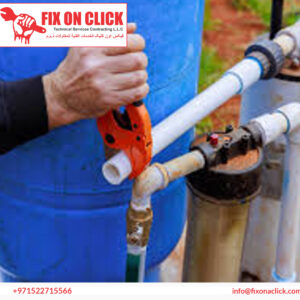
If you’ve noticed a damp patch, a sudden bill increase, or just want confidence your plumbing is sound, give us a call. We’ll come out, take a proper look, and tell you exactly what’s going on — no pressure, no upsell, just honest advice from people who know The Villa’s plumbing inside out.